
What Is Defaulting?
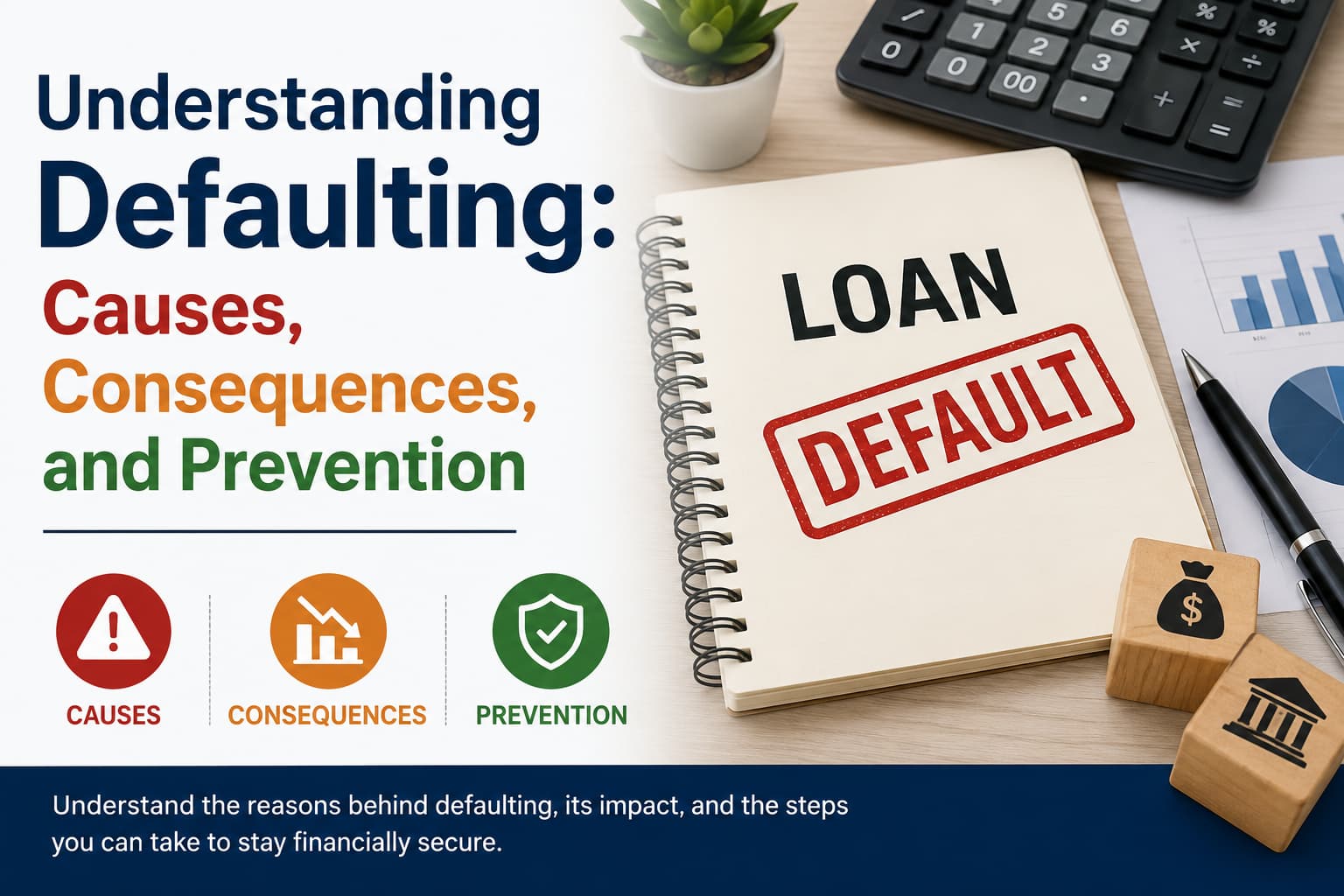
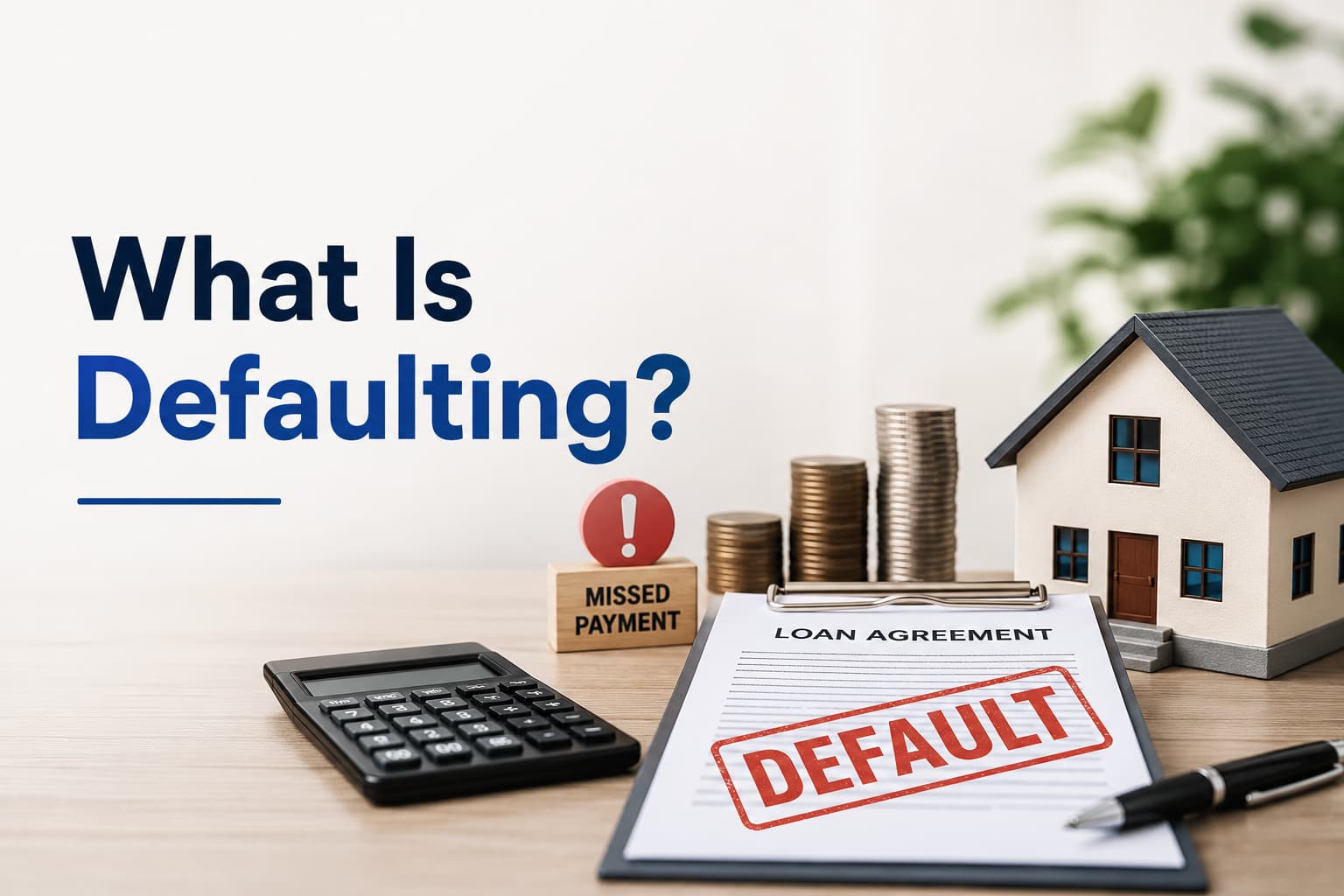
Defaulting is the inability or unwillingness of a borrower to fulfill repayment obligations as stipulated in a loan agreement. A borrower is considered to be in default when scheduled payments are missed for a specified period, depending on the terms of the contract.
Defaulting can occur in various forms, including:
Personal loan default
Mortgage default
Credit card default
Student loan default
Business loan default
Sovereign debt default (when a government fails to repay its debts)
Common Causes Of Defaulting
1. Financial Hardship Unexpected financial difficulties such as job loss, reduced income, business failure, or economic downturns can make it difficult for borrowers to meet repayment obligations.
2. Poor Financial Management Lack of budgeting, excessive spending, and poor debt management often lead individuals into financial distress, increasing the likelihood of default.
3. High Interest Rates Rising interest rates can increase monthly repayment amounts, making loans unaffordable for some borrowers.
4. Economic Instability Inflation, recession, currency fluctuations, and market disruptions can negatively affect both individuals and businesses, leading to increased default rates.
5. Over-BorrowingTaking on multiple loans without considering repayment capacity can result in debt accumulation and eventual default.
Consequences Of Defaulting
1. Damaged Credit Score One of the most immediate effects of defaulting is a significant decline in the borrower's credit rating, making future borrowing more difficult and expensive.
2. Legal Actions Lenders may initiate legal proceedings to recover outstanding debts, resulting in court judgments, asset seizure, or wage garnishment where permitted by law.
3. Loss of Collateral For secured loans, lenders may repossess pledged assets such as houses, vehicles, or business equipment.
4. Increased Financial Burden Penalties, additional interest charges, and collection fees can substantially increase the total amount owed.
5. Economic Impact Wide spread defaulting can weaken financial institutions, reduce lending activity, and negatively affect economic growth.
How To Prevent Defaulting
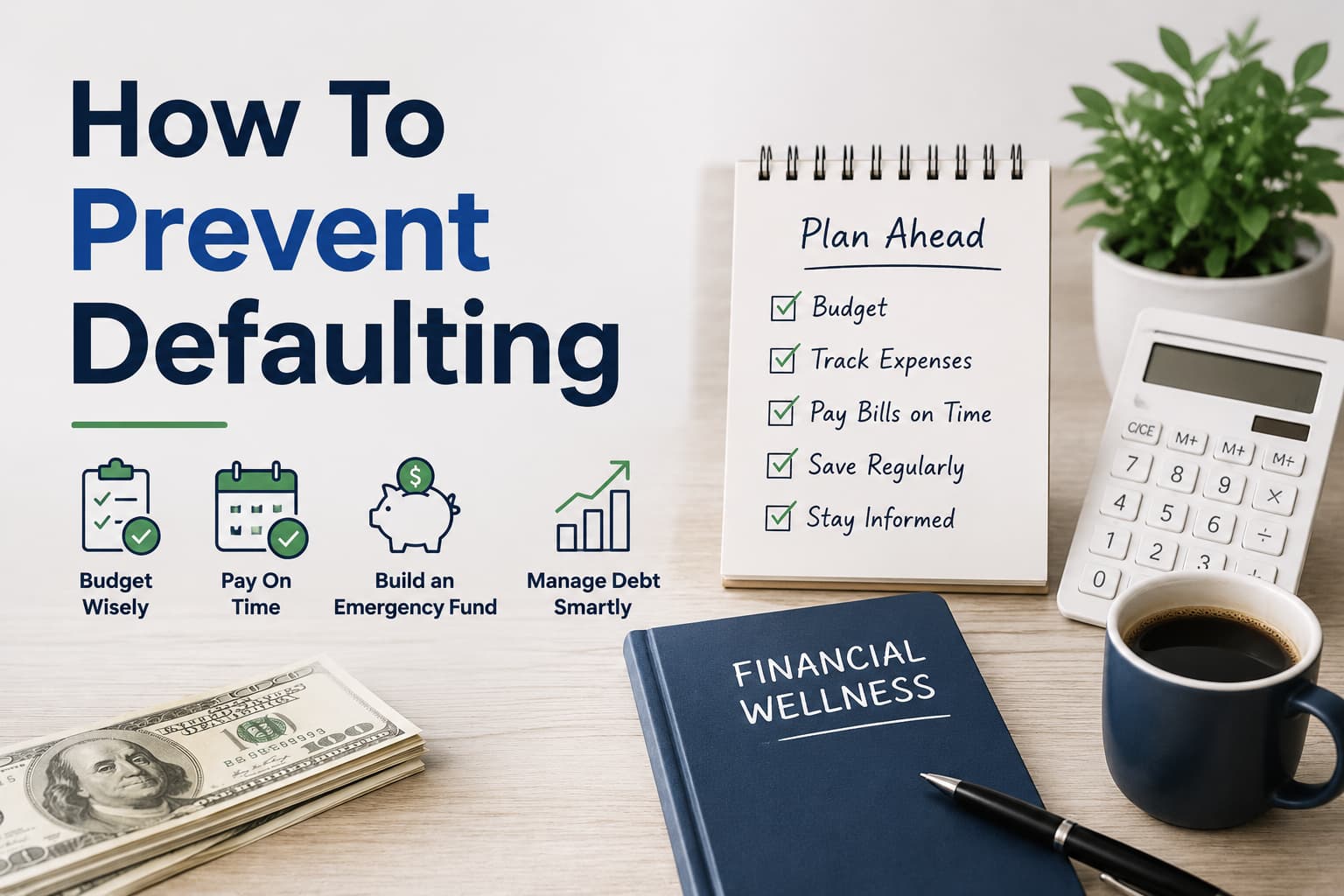
1. Create a Budget A realistic budget helps borrowers track income and expenses while ensuring that loan obligations remain a priority.
2. Borrow Responsibly Individuals and businesses should only borrow amounts they can realistically repay based on their income and cash flow projections.
3. Build an Emergency Fund Maintaining savings for unexpected expenses can help borrowers continue making payments during financial emergencies.
4. Communicate with Lenders Borrowers facing repayment challenges should contact lenders early to discuss restructuring options, payment extensions, or modified repayment plans.
5. Improve Financial Literacy Understanding financial products, interest rates, and debt management strategies can reduce the risk of default.
Conclusion
Defaulting is a serious financial issue that affects borrowers, lenders, and the broader economy. While unforeseen circumstances can sometimes lead to default, many cases can be prevented through responsible borrowing, effective financial planning, and proactive communication with lenders. Building financial discipline and maintaining sound money management practices remain the most effective ways to avoid the costly consequences of defaulting.