
Access to Digital Infrastructure and Learning Tools
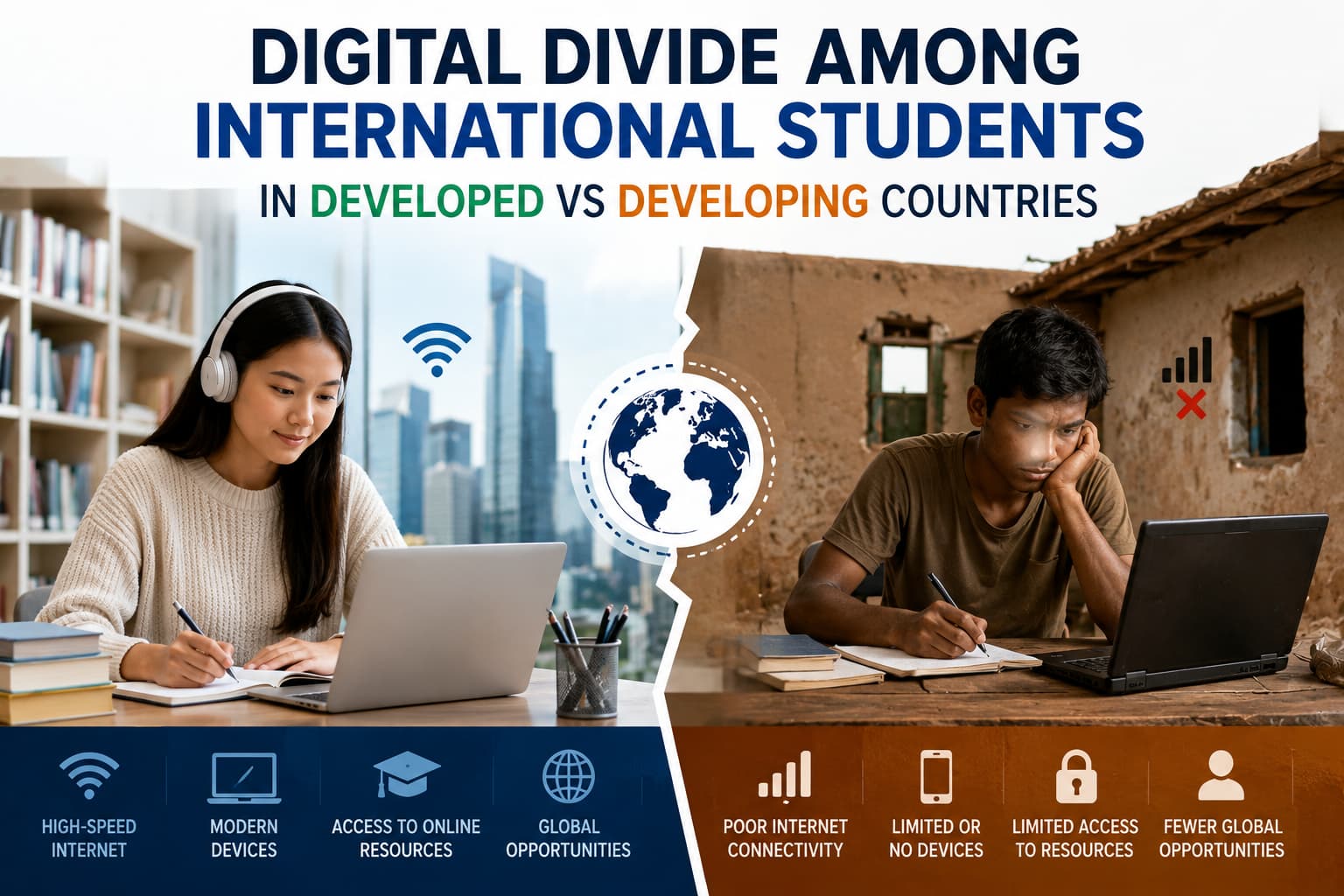
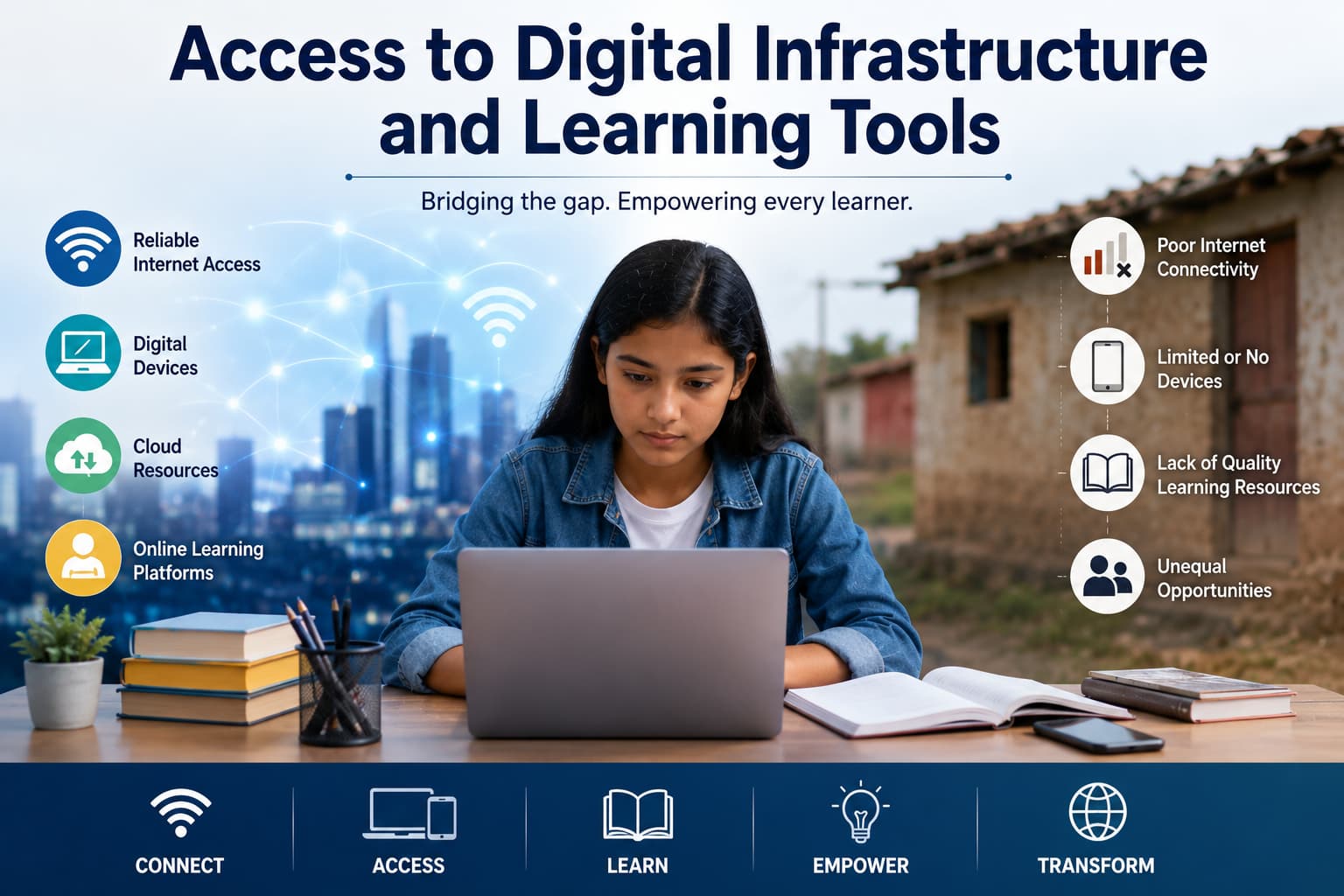
One of the most visible aspects of the digital divide is the difference in access to digital infrastructure. Students from developed countries usually benefit from stable electricity supply, high-speed internet connectivity, and easy access to personal computing devices such as laptops and tablets. Universities in these regions are also well equipped with modern learning systems, digital libraries, and virtual classrooms that support academic work efficiently.
In contrast, students from developing countries often come from environments where access to these resources is limited or inconsistent. Even after arriving in developed countries, some still struggle due to financial constraints that make it difficult to own updated devices or subscribe to required software. Although universities may provide facilities, competition for access or lack of awareness about available support can still limit full usage.
Differences in Digital Literacy and Academic Adjustment
Digital literacy plays a major role in determining how effectively students can adapt to foreign academic systems. Students from developed countries are often exposed from an early age to digital learning environments, including online research databases, presentation tools, coding platforms, and virtual collaboration software.
Many students from developing countries may have had limited exposure before studying abroad, leading to a learning curve when adapting to academic software, online submissions, and digital communication tools.
Impact on Academic Performance and Participation
The digital divide significantly influences academic outcomes among international students. Those with strong digital access and skills are more likely to complete assignments on time, conduct efficient research, and actively participate in online discussions and group projects. Students with limited access may struggle with deadlines, research, and collaboration, which can create performance gaps even when intellectual abilities are similar.
Financial Constraints and Unequal Opportunities
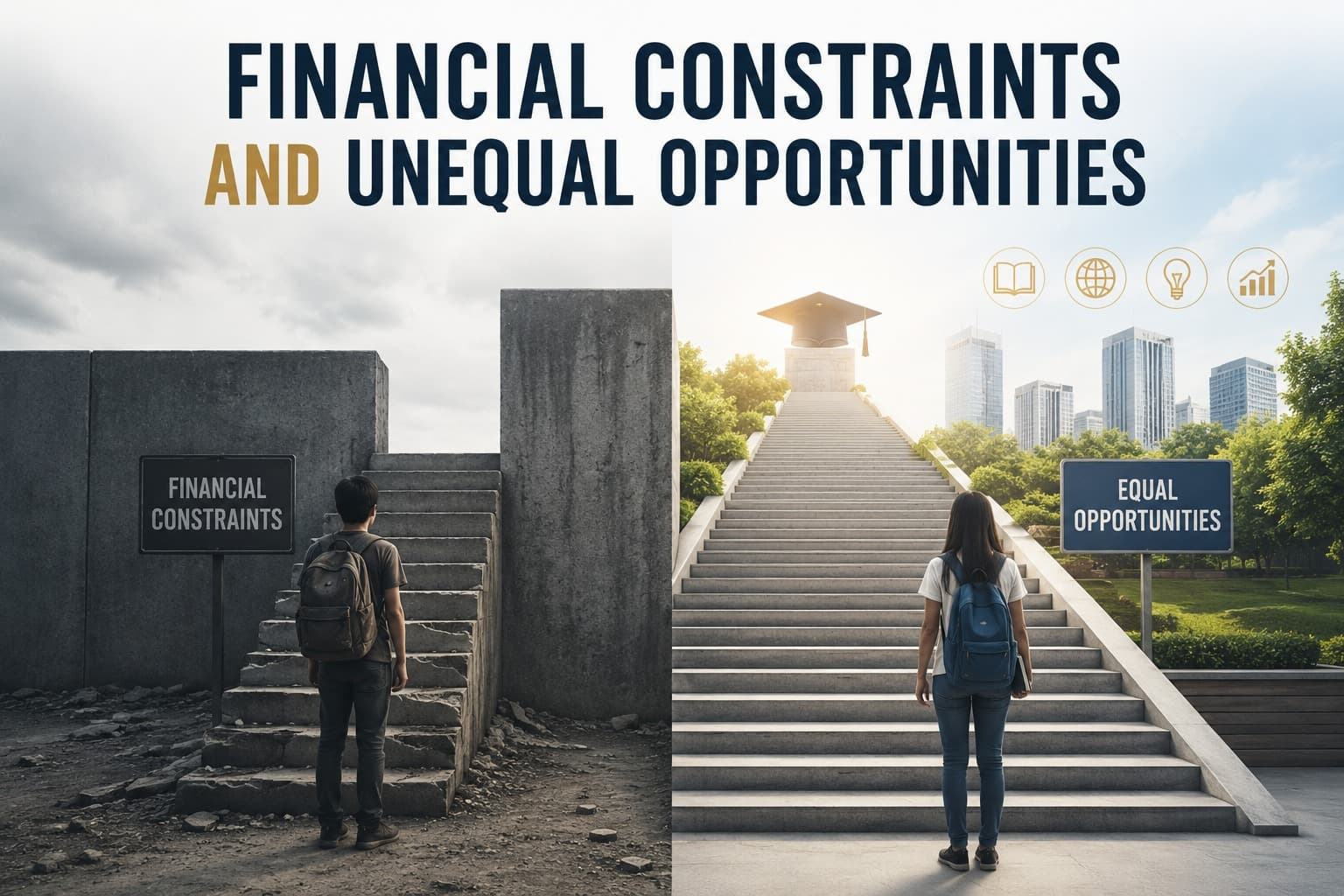
Financial capacity also plays a major role in widening the digital divide. Students from developing countries may face limitations in purchasing high-quality laptops, software, or internet data.
Students from developed backgrounds are more likely to afford advanced digital tools, creating unequal learning experiences and participation levels.
Communication, Collaboration, and Social Integration
Modern academic systems rely heavily on digital communication tools for group work and lectures. Students with strong access can collaborate easily and build academic networks.
Those with weaker digital access may experience isolation and reduced participation in group activities and discussions.
Institutional Support and Remaining Gaps
Many universities provide digital support such as Wi-Fi, computer labs, and training programs to assist international students.
However, gaps remain due to lack of awareness, accessibility challenges, and uneven utilization of available resources.