
Embracing Cultural Differences Through Study Abroad Experiences
Understanding Diversity Beyond Stereotypes
Before traveling, many students unconsciously rely on stereotypes shaped by media, upbringing, or limited exposure. However, living and studying in a foreign country quickly dismantles these oversimplified views. Diversity becomes real not just in nationality, but in language, religion, social norms, communication styles, and values.
Learning Through Daily Interactions
Classrooms abroad are often microcosms of the world, filled with students from various backgrounds. Group discussions, collaborative projects, and even casual conversations expose students to multiple viewpoints. This interaction builds active listening, open-mindedness, and empathy.
Adapting Without Losing Identity
One of the biggest challenges students face is balancing adaptation with authenticity. Respecting diversity does not mean abandoning one’s own culture; instead, it involves understanding others while staying grounded in one’s identity.
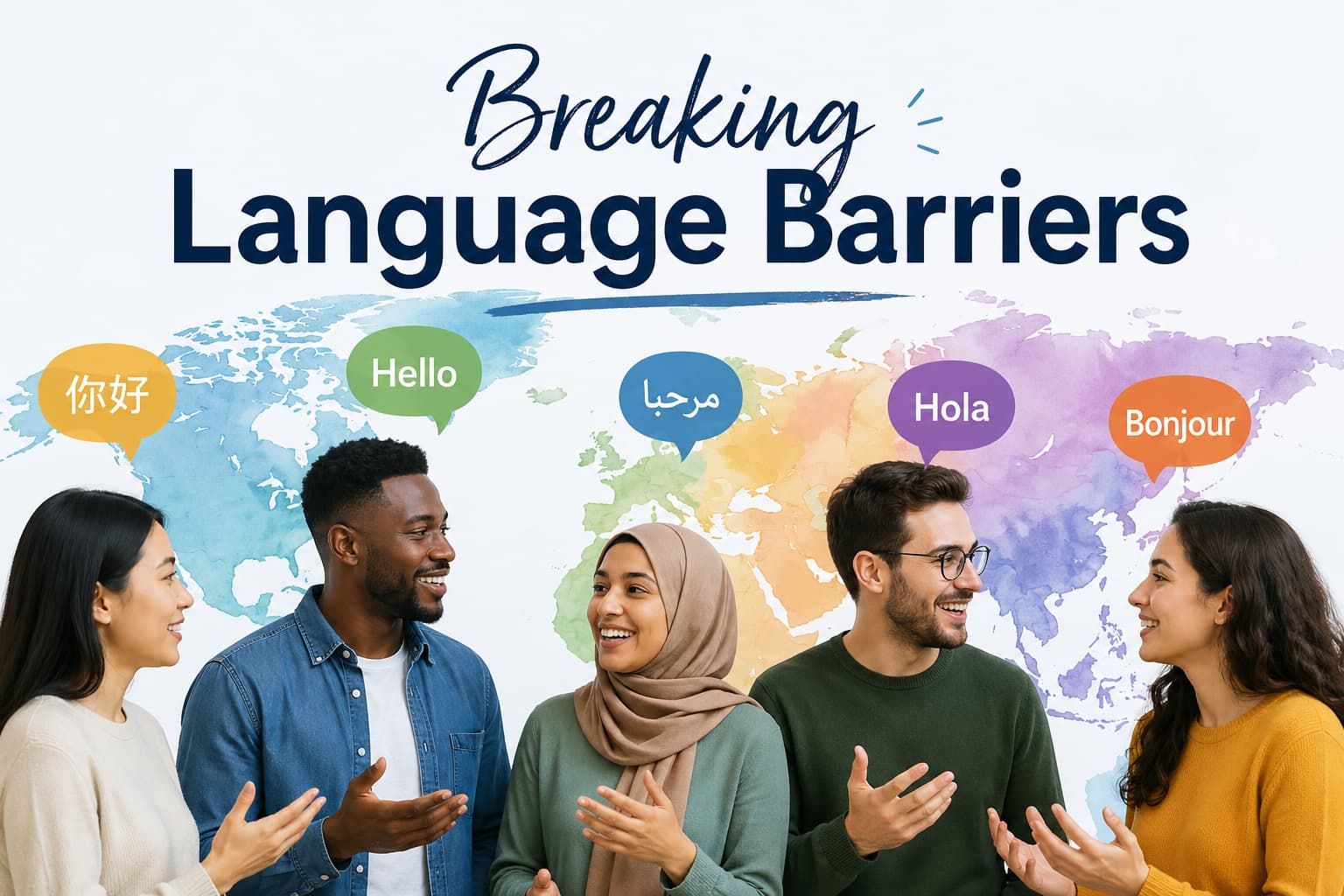
Breaking Language Barriers
Language differences can initially feel like a barrier, but they often become a bridge. Even simple efforts to learn basic phrases in another language demonstrate respect and willingness to connect.
Developing Global Awareness
Exposure to different cultures naturally leads to a broader understanding of global issues. Students begin to see how history, politics, and societal structures shape people’s lives differently across countries.
Challenging Personal Biases
Studying abroad forces students to confront their own biases often ones they didn’t even know they had. This leads to personal growth and a more inclusive mindset.
Building Lifelong Connections
Friendships formed abroad often cross cultural and geographical boundaries. These relationships are built on shared experiences and mutual respect.