
What Lenders Look for on Your Bank Statement
In today’s competitive lending environment, with fluctuating interest rates and stricter scrutiny, your bank statements have never been more important. Lenders use them to assess your real financial habits, cash flow stability, and reliability beyond credit scores. This guide reveals exactly what lenders look for on your bank statement, key red flags to avoid, and how to strengthen your application in 2026.
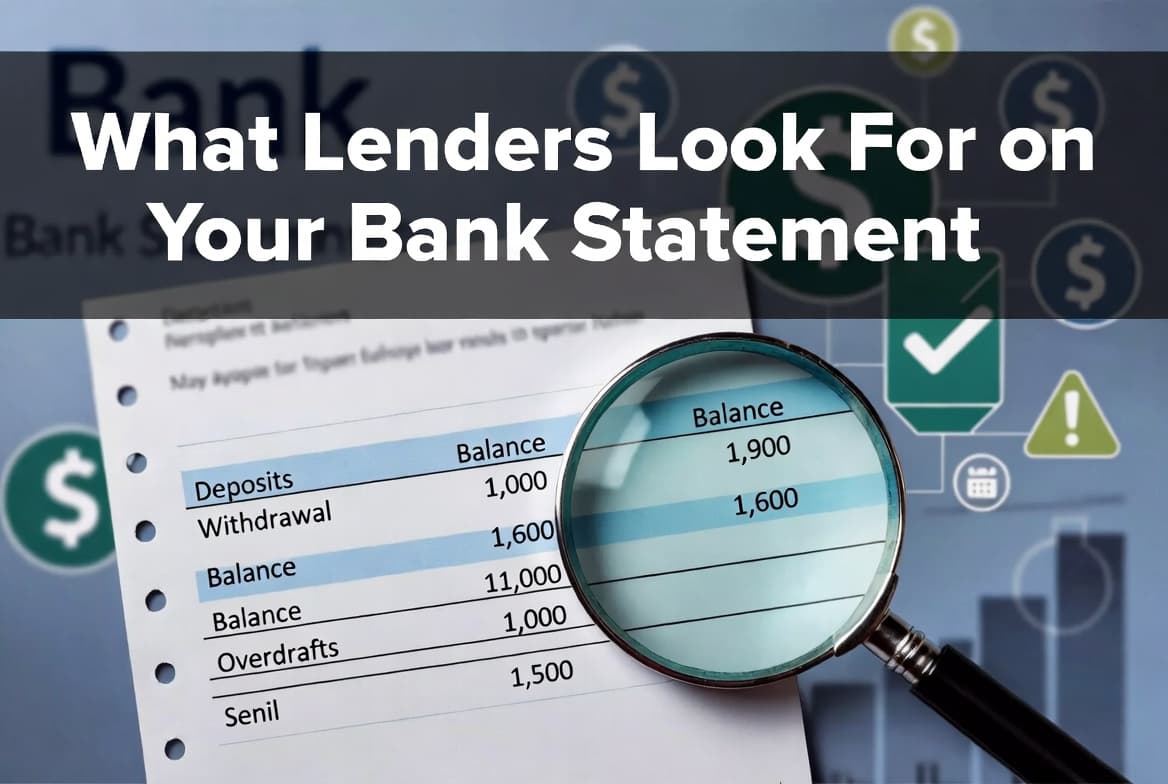
When you apply for a loan, mortgage, or credit facility, your bank statement often tells lenders more about your financial behavior than your income alone. While your salary may show how much you earn, your bank statement reveals how you manage your money.
Understanding what lenders examine can significantly improve your chances of getting approved and help you prepare your finances before submitting an application.
Why Do Lenders Request Bank Statements?
Bank statements provide lenders with a snapshot of your financial health. They use them to assess whether you are capable of repaying the loan without experiencing financial hardship.
Unlike pay slips or employment letters, bank statements show your actual cash flow how money comes in and how it goes out.
Most lenders request between three and six months of recent bank statements, although requirements may vary depending on the loan type and institution.
Consistent Income
One of the first things lenders verify is whether you receive a regular and reliable income.
They look for:
* Monthly salary deposits
* Business income (for self-employed individuals)
* Pension payments
* Rental income
* Other recurring sources of income
A stable income gives lenders confidence that you’ll be able to make your loan repayments on time.
Note: If you’re self-employed, ensure your income deposits are consistent and properly documented.
Spending Habits
Lenders don’t just care about how much you earn they also care about how you spend. They assess whether your spending is responsible or excessive.
They may notice:
* Frequent gambling transactions
* Excessive entertainment spending
* Luxury purchases
* Large cash withdrawals
* Impulse spending patterns
Healthy spending habits demonstrate financial discipline.
Cash Flow
Cash flow refers to the movement of money into and out of your account.
Lenders want to see:
* Income exceeding expenses
* Positive monthly balances
* Ability to save money
* Financial stability over time
Negative cash flow may indicate that you’re already struggling financially.
Account Balance
A lender pays attention to your average account balance.
Questions they ask include:
* Do you regularly maintain money in your account?
* Does your account frequently drop to zero?
* Are you always living paycheck to paycheck?
Maintaining a reasonable balance signals financial stability.
Overdraft Usage
Using an overdraft occasionally isn’t necessarily a problem. However, lenders become concerned if you:
* Constantly exceed your overdraft limit
* Depend on overdrafts every month
* Stay overdrawn for long periods
Heavy overdraft reliance can indicate financial stress.
Existing Loan Repayments
Your bank statement reveals whether you’re already repaying other loans.Lenders evaluate:
* Monthly loan repayments
* Credit card payments
* Buy-now-pay-later obligations
* Personal loan deductions
They calculate your debt-to-income ratio to determine whether you can comfortably handle additional debt.
Returned Payments and Bounced Transactions
Frequent failed transactions may raise concerns.
Examples include:
* Returned debit orders
* Insufficient funds
* Bounced cheques (where applicable)
* Failed standing orders
These may suggest poor financial management.
Savings Pattern
Many lenders appreciate applicants who save regularly. Consistent savings demonstrate:
* Financial discipline
* Emergency preparedness
* Better money management
Even small monthly savings can make a positive impression.
Unusual Transactions
Lenders may investigate transactions that appear unusual.
Examples include:
* Large unexplained deposits
* Frequent transfers from unknown accounts
* Suspicious cash deposits
* Irregular financial activity
In many jurisdictions, financial institutions must comply with anti-money laundering (AML) regulations and may ask for clarification on unusual transactions.
Stability of Employment
If your salary deposits come from the same employer consistently, lenders view this as a positive sign.Frequent changes in employers or inconsistent salary deposits may prompt additional questions.
Red Flags That Can Reduce Your Chances of Approval
Some warning signs include:
* Frequent gambling transactions
* Multiple payday loan repayments
* Repeated overdrafts
* Numerous NSF (Non-Sufficient Funds) charges
* Declining account balances
* High monthly debt obligations
* Irregular income
* Multiple returned payments
While these factors do not automatically lead to rejection, they may influence a lender’s decision.
If you’re planning to apply for financing, consider these practical steps:
- Avoid unnecessary spending.
- Reduce reliance on overdrafts.
- Pay existing debts on time.
- Build a small emergency savings fund.
- Maintain a positive account balance.
- Avoid frequent gambling transactions.
- Ensure your salary is paid into the same account consistently.
- Minimize returned or failed payments.
- Keep your income documentation up to date.
- Apply only when your finances are stable.
Your bank statement tells the story of your financial habits. Lenders use it to determine not just whether you earn enough money, but whether you manage it responsibly.
By maintaining consistent income, controlling your expenses, avoiding unnecessary debt, and demonstrating good financial discipline, you can improve your chances of loan approval and secure better borrowing terms.
Remember, a healthy bank statement is more than just a record of transactionsit’s evidence of your financial reliability.
References
* Consumer Financial Protection Bureau. (2024). What lenders consider when evaluating loan applications and your ability to repay. Available at: https://www.consumerfinance.gov/
* Federal Deposit Insurance Corporation. (2024). Money Smart Financial Education Program. Available at: https://www.fdic.gov/
* Experian. (2024). Understanding creditworthiness, debt, and responsible borrowing. Available at: https://www.experian.com/
* Equifax. (2024). Financial habits that influence lending decisions. Available at: https://www.equifax.com/
* Investopedia. (2024). How lenders evaluate loan applications and financial statements. Available at: https://www.investopedia.com/