
Practical Strategies for Building Financial Stability on a Low Income
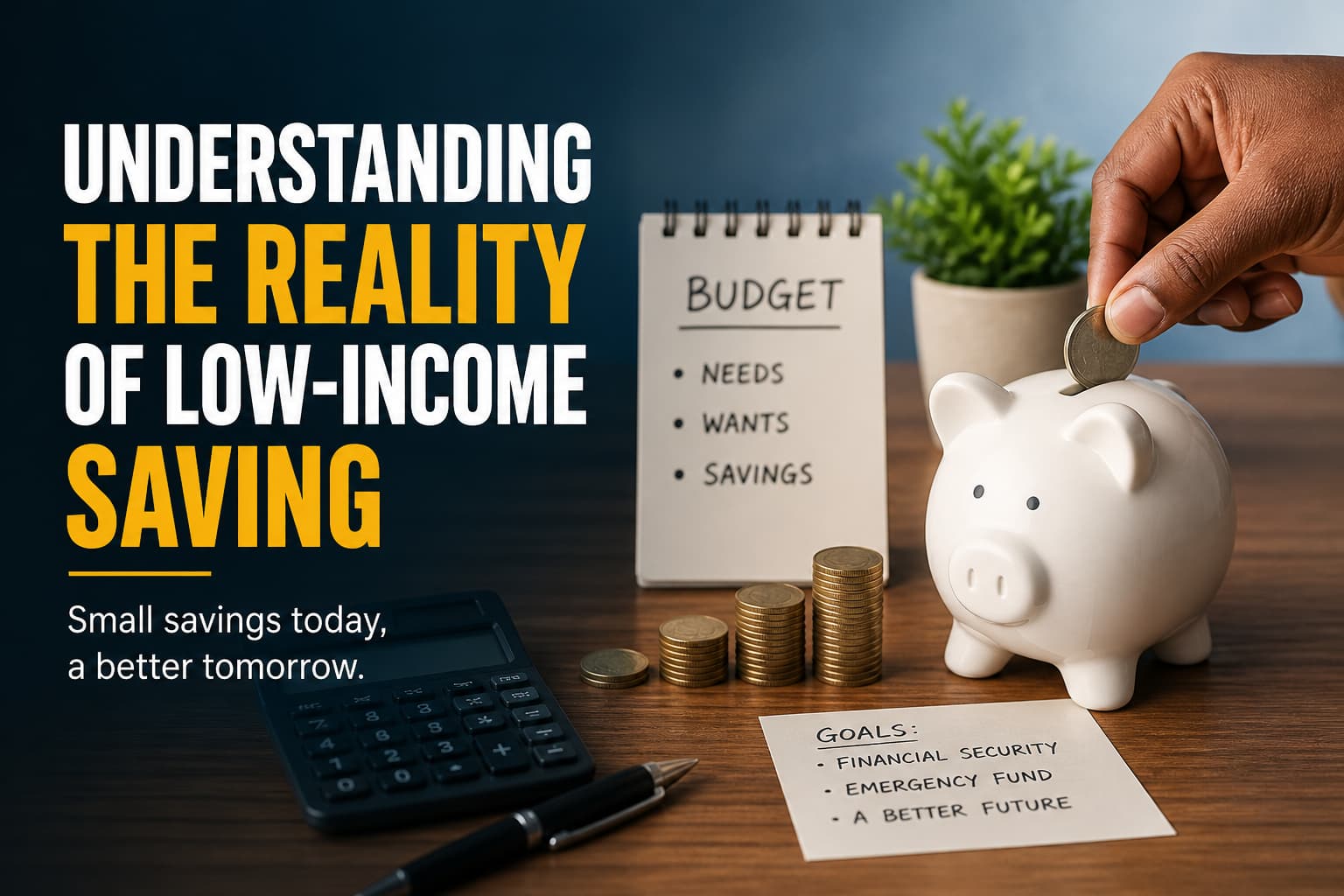
Understanding the Reality of Low-Income Saving
A common belief is that saving is only possible when there is surplus income. However, financial experts and institutions like the World Bank highlight that consistent small savings can significantly improve financial resilience over time. Saving is less about how much you earn and more about how consistently you manage what you have. Vetlep reinforces this understanding by helping members build a culture of saving, regardless of income level. The goal is to make saving a habit, not an occasional activity.
Budgeting, Prioritization, Expense Tracking
A solid financial plan begins with budgeting. According to the Consumer Financial Protection Bureau, tracking income and expenses is essential for identifying areas where money can be saved.Start by listing your essential expenses such as rent, food, and transportation, then identify non-essential spending that can be reduced. Even small adjustments can create room for savings. Vetlep promotes financial discipline by encouraging members to stay accountable, making it easier to manage expenses and prioritize savings effectively.
Pay Yourself First, Consistency, Discipline
One of the most effective saving strategies is to “pay yourself first.” This concept, widely discussed in The Total Money Makeover by Dave Ramsey, involves setting aside a portion of your income immediately after receiving it. Even small, consistent contributions ₦500 or ₦1,000 can accumulate over time. The key is consistency and discipline. Vetlep supports this habit by encouraging regular savings contributions, helping members build a track record that can also improve their access to financial opportunities such as loans.
Cutting Costs, Smart Spending, Avoiding Impulse Buying
Reducing unnecessary spending is crucial when income is limited. The Federal Trade Commission advises individuals to avoid impulse buying, compare prices, and focus on needs rather than wants. Simple changes like cooking at home, limiting luxury expenses, and finding affordable alternatives can free up money for savings. Through its structured approach, Vetlep helps members become more intentional with their spending, ensuring that financial resources are used wisely.

Setting Goals, Motivation, Financial Planning
Saving without a goal can feel meaningless. Having clear financial goals such as paying rent, funding education, or starting a business provides motivation and direction. Break large goals into smaller, achievable targets. This makes the process less overwhelming and more rewarding as progress becomes visible. Vetlep plays a key role by providing a system where members can stay committed to their goals while tracking their progress within a supportive environment.
Emergency Funds, Financial Security, Preparedness
Unexpected expenses can disrupt financial stability, especially for low-income earners. This is why building an emergency fund is essential. The Central Bank of Nigeria emphasizes the importance of a strong savings culture in improving financial security and reducing vulnerability. Vetlep encourages members to save consistently, helping them build a financial cushion that can handle unforeseen circumstances.
Conclusion
Saving money on a low income is not about earning more but managing better. With proper budgeting, disciplined saving, smart spending, and clear financial goals, anyone can build financial stability over time. While the journey may begin with small steps, consistency leads to meaningful progress. Vetlep stands as a reliable support system in this journey, helping individuals cultivate sustainable financial habits, remain accountable, and access growth opportunities. By combining personal discipline with structured financial support, saving becomes both achievable and sustainable.