
How To Be Desciplined When Saving
Saving money is not just about earning more it is about developing the discipline to consistently set money aside, regardless of your income level. Many people have good intentions to save, but unexpected expenses, impulse purchases, and poor financial habits often prevent them from reaching their goals. Financial discipline is a skill that anyone can develop with the right mindset and practical strategies.

Why Saving Discipline Matters

Disciplined saving gives you financial security and peace of mind. It helps you:
Build an emergency fund for unexpected situations.
Achieve major financial goals such as buying a home, starting a business, or paying for education.
Avoid unnecessary debt.
Prepare for retirement and future responsibilities.
Reduce financial stress and anxiety.
As Benjamin Franklin famously said, “Beware of little expenses; a small leak will sink a great ship.” Small, consistent savings can lead to significant wealth over time.
Practical Ways To Stay Disciplined When Saving
Set Clear Financial Goals
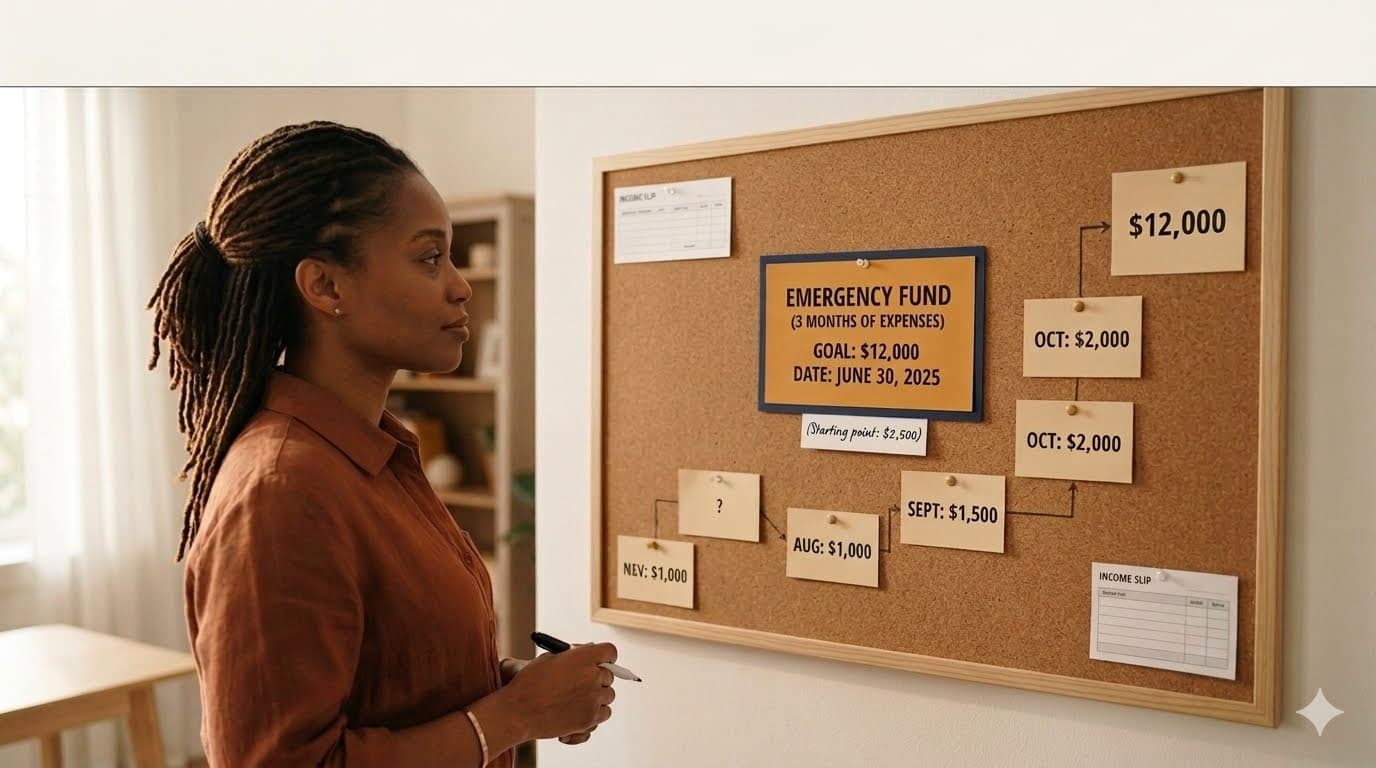
Saving becomes easier when you know what you are saving for. Your goal could be:
Starting a business
Paying school fees
Buying land
Building an emergency fund
Purchasing household items
Specific goals keep you motivated and make it easier to track your progress.
Pay Yourself First

Instead of saving whatever remains after spending, save first whenever you receive your income.Treat your savings like a compulsory monthly bill.
Many financial experts recommend automating your savings so that the money is transferred before you have the chance to spend it.
Create and Follow a Budget
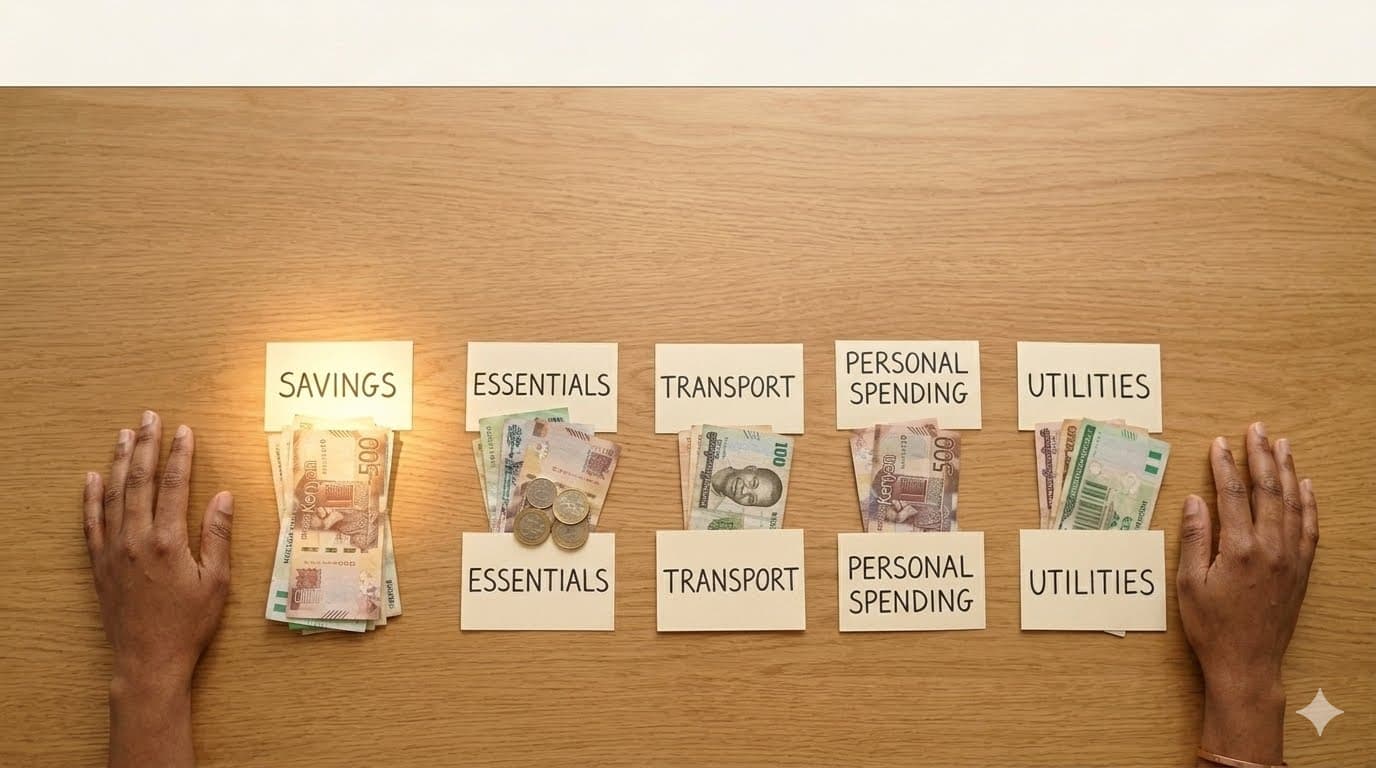
A budget tells your money where to go instead of wondering where it went.
List your:
Income
Essential expenses
Savings
Investments
Personal spending
Following a realistic budget helps prevent overspending.
Separate Savings from Spending Money

Keep your savings in a different account from your daily spending account. The harder it is to access the money, the less likely you are to spend it impulsively.
Avoid Impulse Buying

Before making non-essential purchases, ask yourself:
Do I really need this?
Can this purchase wait?
Will this help me achieve my financial goals?
Practicing the 24-hour rule before buying non-essential items can reduce unnecessary spending.
Live Below Your Means

One of the secrets of financially successful people is that they spend less than they earn.
Avoid trying to impress others with expensive lifestyles. True wealth is built through wise financial decisions, not lavish spending.
Track Your Progress

Review your savings regularly. Watching your savings grow can motivate you to remain disciplined.
Celebrate milestones responsibly without emptying your savings.
Stay Consistent

Saving is not about the amount; it is about consistency.
Whether you save ₦500 or ₦50,000 monthly, regular saving develops financial discipline and creates lasting habits.
COMMON OBSTACLES TO SAVING

Many people struggle with saving because of:
Poor financial planning
Lifestyle inflation
Peer pressure
Lack of financial goals
Irregular income
Unplanned emergencies
Recognizing these challenges allows you to prepare for them instead of allowing them to derail your financial plans.
FINAL THOUGHTS
Financial discipline is a journey, not a one-time decision. The habit of saving consistently can transform your financial future, regardless of your current income level.
Remember that every naira saved today is an investment in tomorrow’s security. Start with what you have, remain consistent, and trust the process. Over time, your discipline will produce financial stability and greater opportunities.